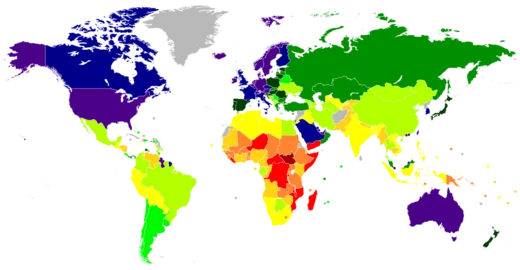
Economy of Iran
Iran's economy is centrally planned with large public sector.

Iran has a developing mixed economy that is centrally planned through its large public sector. With a population of over 90 million, the Iranian economy is supported by an industrial manufacturing base, a subsidized oil and gas sector, and abundant natural resources. Its energy sector is home to 10% of the world's proven oil reserves and 15% of the world's gas reserves, often projecting Iran as an 'energy superpower'. A variety of armed conflicts in the region have exacerbated economic pressures from the 1980s to the 2020s. The nation has experienced varied levels of 'brain drain' due to Iranians seeking overseas employment or immigration. Inflation in Iran has been persistent and caused mass protests. The nation's nuclear program and foreign policy have placed Iran under sustained international sanctions, deterring foreign and domestic investment with adverse humanitarian impact. The periodic lifting of these sanctions have supported an emerging tourism industry. Its official currency, the Iranian rial, has fallen significantly since the 2010s, leading to mass protests over its purchasing power. Iran maintains low international rankings on economic freedom and 'ease of doing business'.
- population
- over 90 million
- oil reserves
- 10% of world's proven
- gas reserves
- 15% of world's
- currency
- Iranian rial
- economic type
- developing mixed economy, centrally planned
- key sectors
- industrial manufacturing, oil and gas, natural resources
Lore & Background
Traditionally agricultural, by the 1970s, the country had undergone significant industrialization and modernization. The reformist Akbar Hashemi Rafsanjani's administration advocated a fundamental reorientation and liberalization of Iran's economy, but this was derailed by domestic political friction and economic policy errors. The election of Mahmoud Ahmadinejad brought about economic promises with populist appeal, having pledged to the re-distribution of oil revenues.
Reader's Guide
Iran's economy is significant due to its vast energy reserves and its role as a major regional power. Its large public sector and central planning contrast with periodic liberalization efforts. Persistent inflation, currency depreciation, and sanctions have caused mass protests and hindered growth. The economy's reliance on oil and gas revenues makes it vulnerable to global price fluctuations and geopolitical tensions. Iran's low rankings on economic freedom and ease of doing business reflect the challenges facing domestic and foreign investment. The periodic lifting of sanctions has supported an emerging tourism industry, but overall economic pressures have led to brain drain and humanitarian impacts. Understanding Iran's economy is crucial for grasping the interplay between resource wealth, state control, and international isolation in the modern Middle East.
Did You Know?
- Iran holds 10% of the world's proven oil reserves and 15% of its gas reserves.
- Inflation in Iran has been persistent and caused mass protests.
- The Iranian rial has fallen significantly since the 2010s, leading to protests over its purchasing power.
Frequently Asked Questions
What type of economic system does Iran operate under?
Iran runs a developing mixed economy in which the state plays a dominant planning role through a large public sector. Private activity still exists alongside government-directed industrial and energy policy.
How significant are Iran's oil and gas reserves on a global scale?
The country holds roughly 10 percent of the world's proven crude oil and about 15 percent of its natural gas. These figures are why analysts frequently label Iran a potential 'energy superpower.'
What are the main pillars supporting Iran's economy?
Three sectors stand out: an established industrial manufacturing base, a heavily subsidized oil-and-gas industry, and a broad range of other natural resources. Together they underpin the livelihoods of a population exceeding 90 million people.
What currency does Iran use, and how is it positioned in the global financial system?
Iran's official monetary unit is the Iranian rial. Because of sanctions and regional conflict, the rial has faced persistent devaluation pressures throughout the 1980s-to-2020s period.
How have regional conflicts shaped Iran's economic trajectory?
Repeated armed conflicts in the surrounding region from the 1980s onward have compounded domestic economic strain. These external shocks, combined with periodic brain drain, have limited the pace of growth that Iran's resource wealth might otherwise support.
More in National Economies 1-24
Elsewhere in the National Economies universe
Spotted an error? Know more?
This is a living reference — every entry is fact-audited, and reader corrections feed straight into our audit queue. Suggest an edit · See this site's audit record